Shopping condos in the Biltmore area can feel exciting and a bit overwhelming. With so many buildings and features to compare, it is easy to miss what truly matters in Phoenix’s climate and this upper‑mid to luxury micro‑market. In this guide, you will learn which condo amenities deliver real comfort, lifestyle value, and resale strength in Camelback East Village. You will also get a simple checklist to use at showings and when you review HOA documents. Let’s dive in.
Why amenities matter in Biltmore
Biltmore sits in Camelback East Village with close access to dining and shopping at Biltmore Fashion Park, outdoor recreation around Camelback Mountain and the Phoenix Mountains Preserve, and quick connections to central Phoenix and the Arcadia and Scottsdale corridors. Many communities here position themselves as luxury or upper‑mid tier, so you can expect a higher standard of common areas and finishes than in broader Phoenix averages. The buyer pool often includes downsizers, second‑home owners, professionals seeking low‑maintenance living, and investors, which keeps attention on amenities that support convenience and long‑term value.
Building and community amenities that win in Phoenix
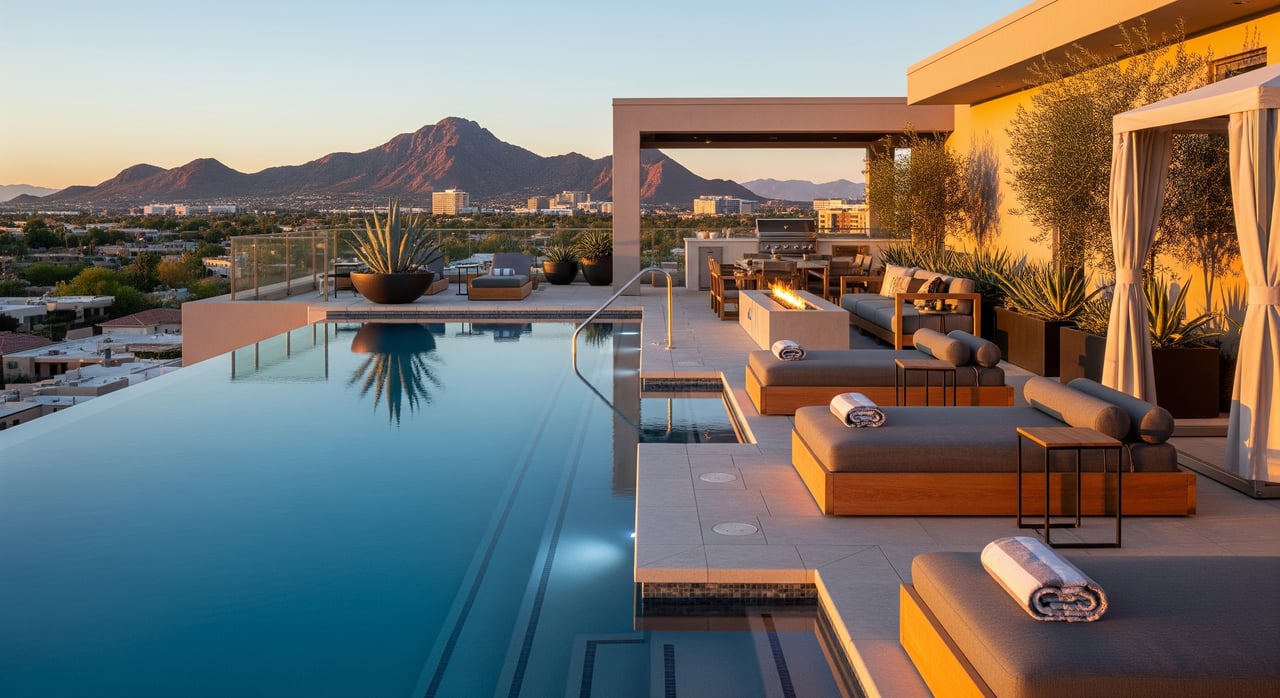
Pool and spa
In the Biltmore market, a well‑maintained pool and spa are often expected and used nearly year‑round. These areas provide a social hub and add daily lifestyle appeal. Ask how the HOA handles maintenance, heating, and safety compliance, since these costs affect dues.
Fitness and wellness spaces
A quality fitness center can reduce the need for an outside gym membership and increase daily convenience. Size and equipment matter, because a small room with a few machines adds less value. Look for well‑ventilated spaces, updated equipment, and thoughtful hours and rules.
Secure, covered parking and guest parking
Covered or garage parking is a standout in Phoenix, where sun exposure can wear on vehicles and raise cabin temperatures. Assigned covered parking lowers cooling load and protects finishes and batteries. Guest parking is also important if you entertain or expect visitors, especially in mixed‑use areas near Camelback Road.
Gated access, on‑site security, and concierge
Controlled access and on‑site staff can increase peace of mind and add helpful services like package handling and visitor screening. These features also increase operating costs, so weigh the benefit against monthly dues. Ask how staffing is scheduled and how access systems are maintained.
Elevators, lobby, and common‑area finishes
For mid‑rise and high‑rise buildings, elevator reliability and a well‑kept lobby set the tone for the entire property. First impressions affect livability and resale. Confirm elevator service contracts and look at recent capital improvements in common areas.
Outdoor spaces and shade
Phoenix living is tied to outdoor time, but shade is essential. Look for courtyards, grilling areas, and seating with shade structures or mature landscaping, plus xeriscaping to reduce water use. Thoughtful site planning increases usability across seasons and helps control HOA water costs.
On‑site management and HOA responsiveness
Responsive, professional management helps address issues quickly and plan for future repairs. Healthy reserves and clear communication reduce buyer risk and support steady resale. Ask for recent HOA meeting minutes, the current budget, and the most recent reserve study.
In‑unit features that boost comfort and resale
Energy‑efficient HVAC and insulation
Cooling drives most utility expenses in Phoenix, so efficient HVAC is a top priority. Newer systems, smart thermostats, and good insulation help lower bills and improve comfort. Review service history and system age during inspections.
Private outdoor space with sun protection
Balconies and terraces expand living space and highlight Biltmore’s view corridors, including Camelback Mountain. Covered or partially shaded spaces are far more usable in summer. Check orientation and sun exposure during different times of day.
Assigned parking and storage
A deeded garage space or assigned covered spot is a meaningful differentiator. Extra storage reduces clutter and protects belongings from heat. Confirm the exact parking assignment and any restrictions upfront.
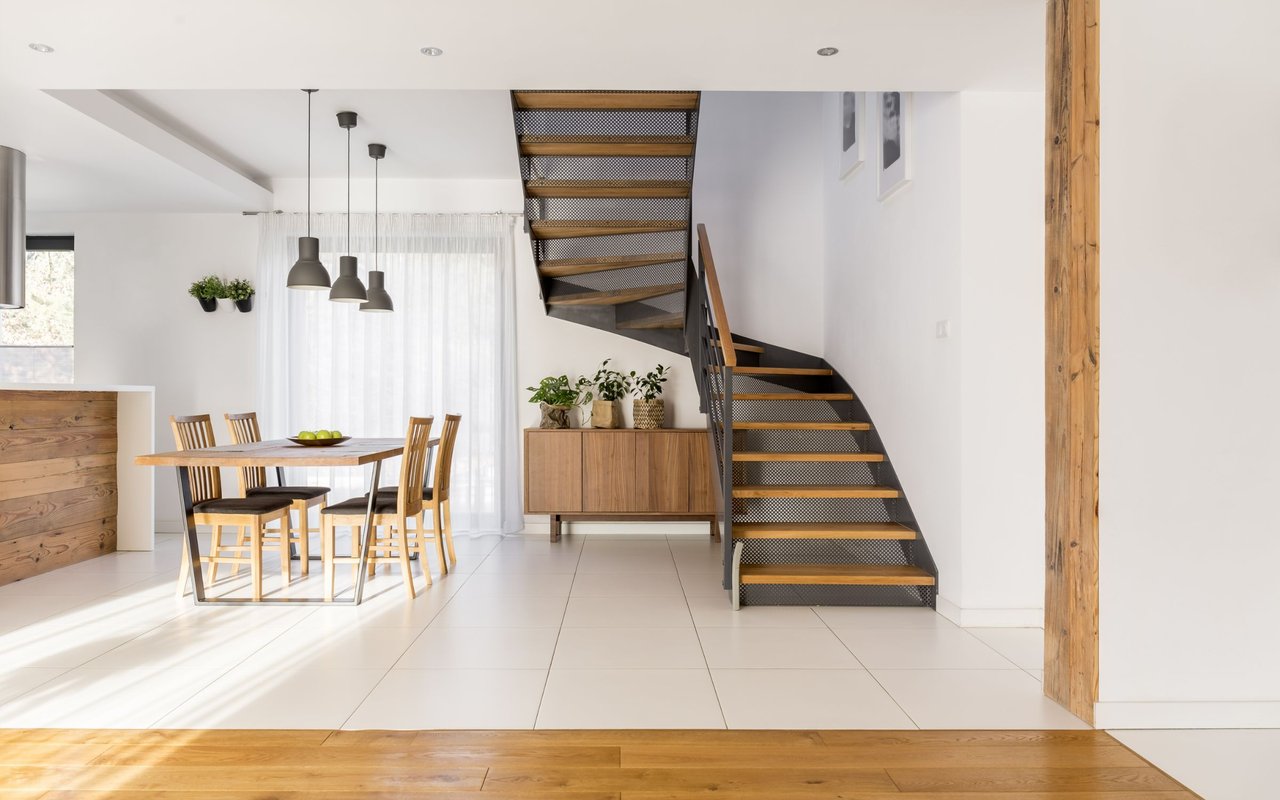
Updated kitchens and baths, durable finishes
Across buyer surveys, updated kitchens and bathrooms remain among the most influential features. Durable, low‑maintenance materials fit condo living and Phoenix’s climate. Prioritize quality over trend and confirm permits for major work.
Smart‑home features and EV readiness
Smart thermostats, modern wiring, and security features add convenience and efficiency. EV charging is an emerging priority, though installation in multi‑unit buildings can be complex. Ask early about HOA rules, building capacity, and approval processes.
Noise control and double‑paned windows
Multi‑unit living calls for good soundproofing. Quality windows also help manage heat gain and reduce noise from Camelback Road and other arterials. During showings, listen at different times of day and ask about any recent window upgrades.
Location perks that command a premium
Walkability to Biltmore Fashion Park and services
Easy access to shopping, dining, grocery, and services adds daily convenience. Walkable locations in urban and near‑urban settings often see stronger demand and shorter days on market. Confirm pedestrian routes, lighting, and crossings you will actually use.
Camelback Mountain views
Mountain views are a consistent premium driver in the Biltmore area. Floor level, orientation, and potential future obstructions all matter. If a view is important to you, review the site plan and nearby parcels to understand long‑term risk.
Transit and arterial access
Proximity to major routes improves access to employment centers, the airport, and medical services. Weigh convenience against noise and traffic. Walk the block during peak hours to sense activity levels.
Green space and hiking access
Nearness to Camelback Mountain and the Phoenix Mountains Preserve supports an active lifestyle. Trails, parks, and dog‑friendly areas are a draw for many buyers. Confirm any HOA rules for pets and outdoor equipment storage.
Traffic patterns and noise
Being close to Camelback Road or 24th Street brings both benefits and tradeoffs. Test drive your commute and visit at different times to gauge noise, traffic, and parking conditions. Ask about any planned road projects that could affect flow.
HOA dues, reserves, and true cost of ownership
Amenities are funded through HOA dues, so buildings with pools, gyms, elevators, security, and on‑site staff typically carry higher monthly costs. What matters is how well those dues are managed, what they cover, and whether reserves align with the building’s age and needs. Review the budget, reserve study, and history of special assessments to understand long‑term exposure.
In Arizona, master insurance coverage for common areas can be a significant expense. Confirm what the master policy covers and what your personal policy must handle, including exterior elements, roofs, balconies, and liability for pool areas. If you plan to rent, check rental policies and any short‑term restrictions, since those rules affect flexibility and investor demand.
Cooling, water, and landscaping practices also shape ongoing costs. Energy‑efficient systems, window glazing, shading, and xeriscaping help control utilities and support sustainability. Older buildings can be excellent choices if reserves are healthy and recent capital projects are funded.
What impacts resale most in Biltmore condos
- Covered or assigned parking and secure garages that protect vehicles from heat.
- Camelback Mountain views and usable outdoor living spaces with shade.
- Well‑maintained pool, spa, and a quality fitness center that meet buyer expectations.
- Updated kitchens and in‑unit HVAC upgrades that reduce near‑term maintenance.
- Professional HOA management, healthy reserves, and transparent documentation.
Quick buyer checklist for showings and offers
Documents to request
- CC&Rs, bylaws, and community rules.
- Current budget, recent financials, and the latest reserve study.
- HOA meeting minutes from the last 12–24 months.
- History of special assessments and planned capital projects.
- Master insurance declarations and deductible details.
- Rental policies, owner‑occupancy ratios, and parking assignments.
- Management company contact and any pending litigation disclosures.
Inspections and building systems
- Hire a condo‑savvy inspector who will assess HVAC age and service history.
- Review balconies, exterior waterproofing, stucco, and flashing for signs of intrusion.
- Confirm roof and common‑area responsibilities under the HOA.
- Evaluate pool and mechanical equipment, and elevator service if applicable.
- Watch and listen for noise and test windows during peak hours.
Financial and lifestyle questions
- What exactly do monthly dues cover, including utilities and reserves?
- Are fee increases or special assessments anticipated in the next 12–24 months?
- What are parking rules, guest parking availability, and EV charging policies?
- Are pets allowed, and are there size or number limits?
- What is the process and timeline for resale approvals or move‑in rules?
Cost‑of‑ownership checks
- Typical cooling and utility costs for similar units in the community.
- Average HOA increases in recent years and reasons for any spikes.
- Recent capital projects such as roof replacement, pool rebuilds, or structural repairs.
- Property tax basics and any local assessments.
How to weigh tradeoffs and choose the right building
Start with the features you will use weekly. If you rarely swim, a resort‑style pool may not justify higher dues. If you value daily convenience, prioritize walkability, covered parking, and a quality gym over less used amenities.
Next, focus on building health. A strong reserve study, professional management, and clear communication lower risk and help preserve value. If a building is older, confirm that key systems and envelopes have been addressed and that reserves match future needs.
Finally, look at resale drivers. Camelback Mountain views, shaded outdoor space, updated systems, and secure parking tend to draw consistent demand in Biltmore. If a unit checks these boxes and the HOA story is strong, you are likely choosing a home that will live well and resell well.
Ready to compare Biltmore buildings with a local, mortgage‑savvy partner who can help you weigh amenities against HOA health and long‑term costs? Reach out to Chris Ringhofer for calm, client‑first guidance and neighborhood‑level insight.
FAQs
What are the top condo amenities in the Biltmore area?
- Buyers often prioritize covered parking, quality pool and spa areas, a real fitness center, shaded outdoor spaces, and professional HOA management.
How do HOA dues relate to amenities in Phoenix condos?
- More amenities typically mean higher dues, so review what dues cover, the reserve study, and any planned assessments to understand long‑term costs.
Do Camelback Mountain views impact resale in Biltmore?
- Yes, mountain views are a consistent premium driver and can improve marketability, especially when combined with usable, shaded outdoor space.
What should first‑time condo buyers in Phoenix inspect?
- Prioritize HVAC condition and efficiency, balcony and exterior waterproofing, elevator and pool systems, and the HOA’s financial health and meeting minutes.
Can I add EV charging in a Biltmore condo building?
- It depends on the HOA’s rules and building capacity, so ask early about approvals, infrastructure, and any costs before you make an offer.