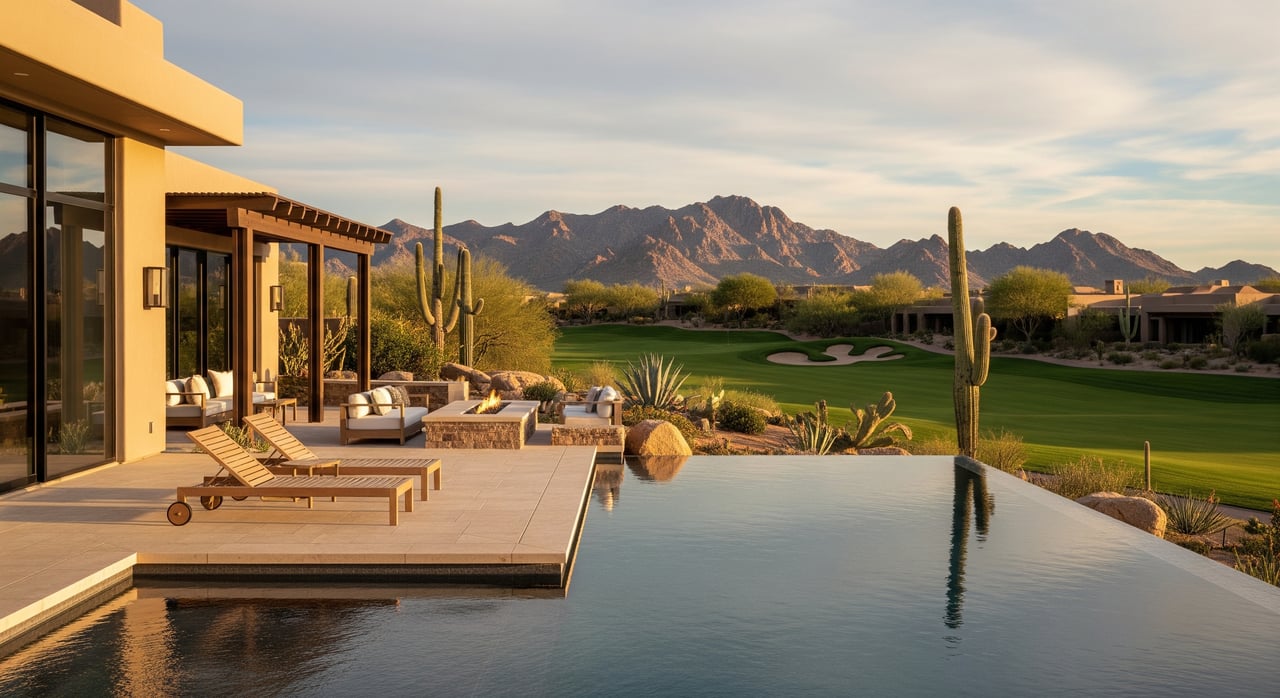
Picture your morning coffee on a shaded patio while the sun lights up a desert fairway. If you are considering that view in Scottsdale, it helps to know what daily life, costs, and responsibilities really look like in a golf community. You want the scenery and amenities without surprises later. In this guide, you will learn how communities are organized, what homes and lots are like, what costs to expect, how to vet long-term viability, and how to do smart due diligence. Let’s dive in.
Scottsdale golf community types
- Private, member-owned clubs. Access is limited to members and their guests. Expect initiation fees, ongoing dues, and structured club culture.
- Semi-private clubs. The course allows some public play while offering optional memberships. Residents may not be required to join.
- Public course adjacency. Homes border municipal or public courses. You can pay per round, though HOA rules still apply to the neighborhood.
- Active-adult communities. Some 55-plus neighborhoods include on-site golf and a broader activities calendar.
- Resort-oriented areas. Designed for vacationers and short-term stays, these favor guest services over long-term neighbor networks.
Daily life and club culture
Early mornings often mean greenskeeping before sunrise. You may hear mowers and see maintenance vehicles, especially on tournament or busy days. Pets are typically not allowed on courses.
If you join a club, your week may flow around tee times, clinics, dining hours, and fitness classes. Even non-golfers use pools, walking paths, and social spaces. Some clubs are very active with events and leagues, while others keep a lighter calendar.
Scottsdale sees seasonal swings as winter visitors arrive from November through April. Expect more activity on courses and in restaurants during those months, with a quieter pace in summer.
Homes and lots near the fairway
You will find everything from townhomes and villas to large custom estates, with North Scottsdale skewing larger and more custom. Lot orientation matters. Fairway and green views can command premiums but may increase exposure to errant shots.
Most communities use architectural review boards with design guidelines for exteriors and landscaping. Outdoor living is a priority, with covered patios, shade structures, pools, and window treatments that help manage heat.
Consider sun angles. South and west exposure can raise cooling needs. Many owners add extended eaves, shade screens, or window tint to stay comfortable.
Neighborhood amenities and operations
Most golf areas offer a clubhouse, dining, a pro shop, and practice facilities such as a range and putting greens. Many include fitness centers, pools, tennis or pickleball, and spa services.
Gated neighborhoods vary in staffing levels and visitor protocols. Greenbelt trails and parks often connect pockets of homes. Expect landscape crews and irrigation systems to operate early in the day.
Risks and nuisances to consider
- Golf balls. Errant shots can damage windows, screens, and outdoor equipment. Check setbacks, protective netting, and any course or club policies on damage claims.
- Noise and light. Early maintenance and tee-time activity are normal. Night events at the clubhouse can create occasional noise and light.
- Turf care. Courses use fertilizers and pesticides as part of routine turf management and typically provide notices before applications.
Costs and memberships
HOA fees vs. club dues
Your monthly or annual HOA assessment supports common-area upkeep, landscaping, and community amenities. Club costs are separate. Depending on the course model, you may see initiation fees, annual dues, food and beverage minimums, and optional fees for carts, guests, lockers, or sports facilities.
Confirm whether membership is required for homeowners, optional, or separate from residency. Some properties come with transferable memberships. Others have waitlists.
Special assessments and reserves
HOAs and clubs can levy one-time assessments for capital improvements. Review recent meeting minutes, budgets, and reserve studies to gauge future obligations.
Taxes and utilities in Maricopa County
Property taxes are based on assessed value and local district levies. Review parcel histories before you write an offer. Larger lots, pools, and lush landscaping can raise water and energy costs in the desert climate. Many courses and common areas use reclaimed water, which can shape community water policies.
Insurance and liability basics
Standard homeowner policies can cover some property damage, but you should verify how golf-related incidents are handled. Ask your insurer about broken windows, personal liability, and whether an umbrella policy makes sense. Clarify what a club or municipality may cover on the course versus damage to private property.
Club viability and water use
The long-term health of the course matters for lifestyle and value. Ask who owns the course and how maintenance is funded. For member-owned clubs, request any available financial summaries. Review HOA and club reserve studies, and ask about recent or planned improvements.
Consider water sources and conservation requirements. Course irrigation strategy can affect how the landscape looks and how it is maintained over time. Check local planning records for any land-use entitlements that could enable redevelopment in the future.
Due diligence checklist
Use this checklist with your agent and, when appropriate, an attorney:
- HOA documents. CC&Rs, bylaws, rules, financials from the past 2 to 3 years, current budget, reserve study, and recent meeting minutes.
- Club membership details. Agreement terms, initiation and dues schedule, transfer rules, waitlist status, bylaws, and member voting records if available.
- Assessment history. Any special assessments in the past 3 to 5 years and any planned assessments.
- Course ownership and use. Ownership entity, maintenance contracts, and any recorded entitlements that allow changes in use.
- Insurance and claims. HOA and club coverage details and claims history, plus guidance on your personal policy for golf-related incidents.
- Physical property review. Evidence of golf ball strikes, protective netting or fencing, irrigation condition, setbacks, and exterior items that need ARB approval.
- Noise and activity schedule. Typical maintenance hours, tournament frequency, and special event calendars.
- Rental rules. Short-term or long-term rental restrictions and enforcement practices.
- Water and irrigation. Source of irrigation water, any seasonal restrictions, and community policies.
- Taxes and districts. Parcel tax history and any additional district assessments.
- Planning records. City and county files for any redevelopment proposals or land-use changes.
Scottsdale community examples
The communities below illustrate different models. This is not an endorsement. Always verify current details directly with the HOA and club.
- Grayhawk. A master-planned area with two courses often operated in a semi-private or public model, varied housing types, and active community amenities.
- McCormick Ranch. An established area with parks, lakes, and two 18-hole municipal or semi-private courses, plus a range of housing types.
- Troon North area. High-profile public or semi-private golf with surrounding custom and production homes, known for desert scenery and boulder views.
- Silverleaf within DC Ranch. A private, luxury club environment with custom estates and detailed architectural controls.
- Desert Mountain and Pinnacle Peak area. Multi-course private club living with extensive amenities set in elevated terrain.
- Mirabel and Estancia. Gated luxury enclaves with private club access, each with its own membership structure and culture.
Is golf community living right for you?
If you love views, organized amenities, and an active social calendar, a golf neighborhood can be a great fit. If quiet mornings, minimal rules, or no surprise costs are your top priorities, focus on lot orientation, community rules, and the club’s calendar. The right match balances your lifestyle with realistic obligations.
Your next step with a local advisor
Choosing the right Scottsdale golf community is part lifestyle and part due diligence. You deserve an advisor who knows the micro-markets and can explain how HOA and club costs affect your total monthly number. With a mortgage-lending background and a calm, client-first approach, Chris Ringhofer can help you compare communities, review documents, and negotiate with clarity. Reach out when you are ready to tour, run numbers, or plan your offer.
FAQs
Are HOA fees separate from club dues in Scottsdale golf communities?
- Yes, HOA assessments fund neighborhood operations while club dues and fees cover golf and related amenities. Confirm whether club membership is required or optional.
Is club membership required when buying a home in a Scottsdale golf neighborhood?
- It depends on the community. Some require membership, some offer optional tiers, and some have no requirement. Review the purchase contract and membership documents.
How loud are early mornings near Scottsdale fairways?
- Maintenance often starts before sunrise. Expect mower noise and crew activity on certain days. Lot orientation and distance from greens or tees can reduce impact.
What protections exist for homes from errant golf balls?
- Setbacks, strategic landscaping, and netting can help. Review the property for past damage, check any club damage policies, and confirm coverage with your insurer.
How do seasonal visitors affect Scottsdale golf neighborhoods?
- Winter months bring more residents and guests, which can increase tee-time demand, club events, and restaurant activity. Summers are typically quieter.
What due diligence should I do before buying near a course in Maricopa County?
- Review HOA and club financials, rules, assessments, course ownership, water sources, planning records, and insurance details, plus a close physical inspection.
Could a Scottsdale golf course be closed or redeveloped in the future?
- It is possible. Ask who owns the course, review available financials and reserves, and check city and county planning records for entitlements or proposals.
Do Scottsdale HOAs restrict short-term rentals near golf courses?
- Many do. Rules vary by community and may require minimum lease terms or prohibit short stays. Verify restrictions and enforcement practices before you buy.