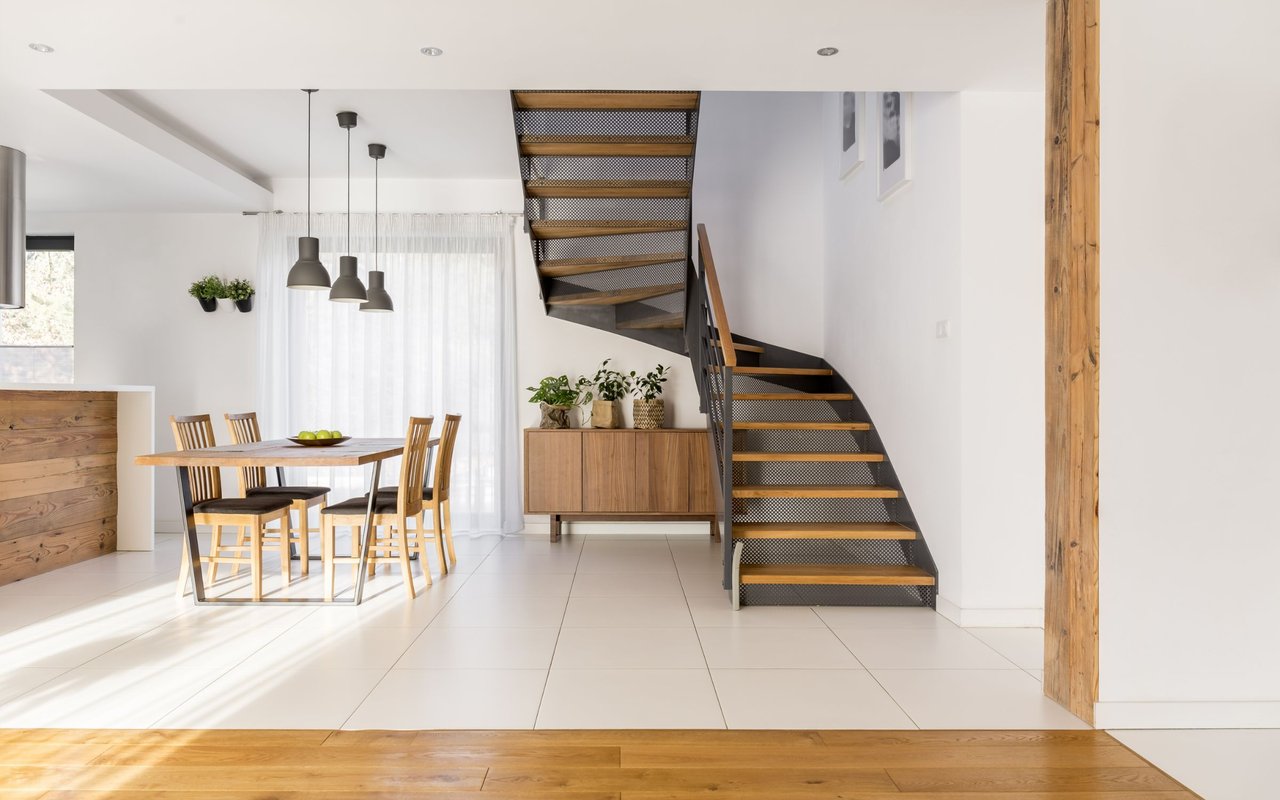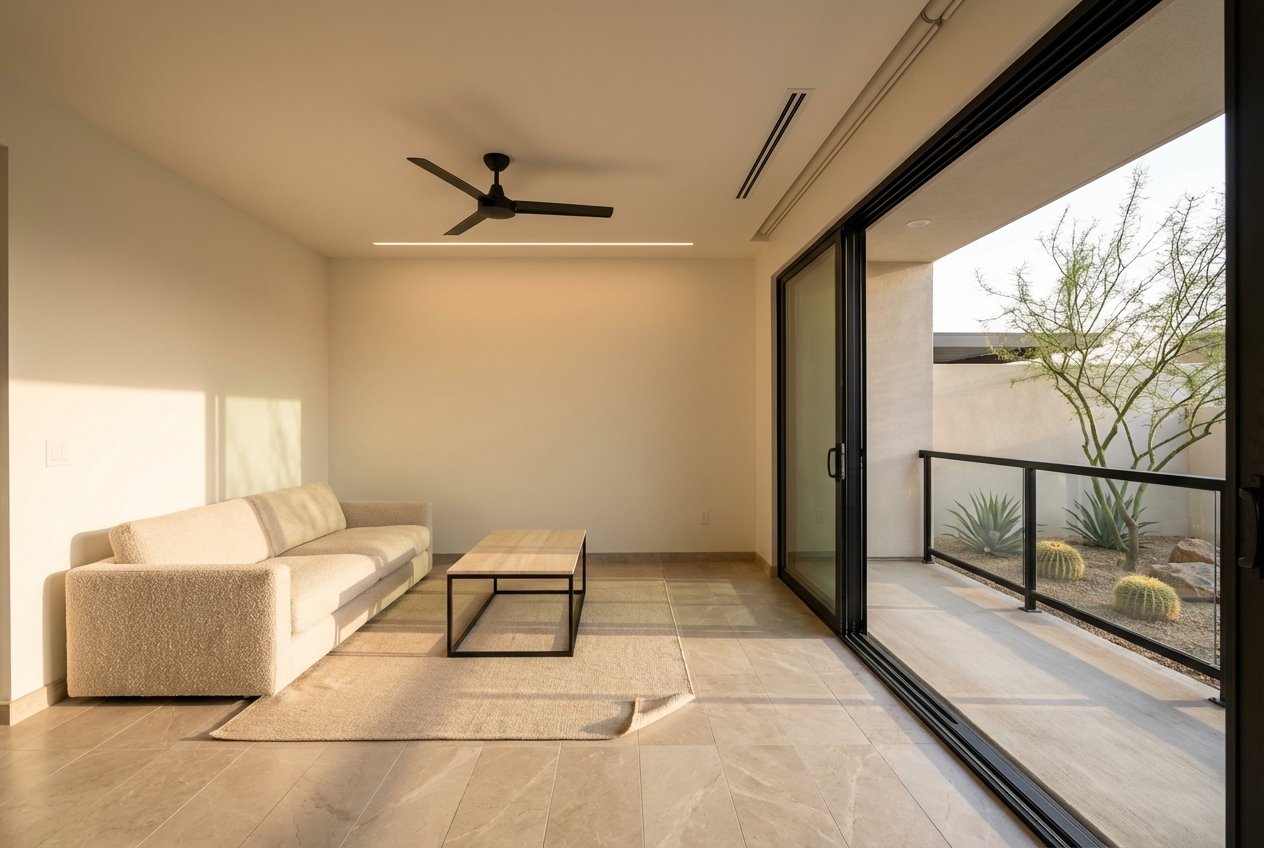
Condo or house in Scottsdale? The right choice depends on how you live, what you want to maintain, and how you plan to finance your purchase. You might love the idea of a lock-and-leave condo near restaurants, or you may want a private yard with mountain views. In this guide, you’ll compare real costs, HOA rules, financing differences, and neighborhood fit so you can move forward with confidence. Let’s dive in.
Scottsdale market snapshot 2026
Scottsdale sits at a higher price point than the U.S. median. As of data through January 31, 2026, the typical Scottsdale home value is about $838,494, according to Zillow’s market tracker. January 2026 sales reflect a median around $925,000 per Redfin’s local report. Both sources show recent stabilization after faster gains earlier in the decade.
By product type, many single-family homes trade in higher price bands, while a large share of condos and townhomes list in mid-range tiers. You’ll see wide variation by building quality and neighborhood, but a common pattern is this: condos often offer a lower entry price, while single-family homes command more upfront and ongoing costs alongside more space and privacy. Inventory has improved from the tightest years, which can create more negotiation room in some segments. Micro-markets like Old Town, Kierland, and North Scottsdale still behave differently, so evaluate each area on its own.
Condo vs house: what you maintain
Condo ownership usually covers the interior of your unit. The association maintains exteriors and shared systems like roofs, landscaping, pools, and elevators, and funds those through HOA dues. You carry an HO-6 (condo) policy for interiors, personal property, and any loss-assessment exposure tied to the master policy. See a simple overview of condo master policies and HO-6 coverage from Progressive’s condo insurance guide.
With a single-family home, you control the structure and the lot. You handle yard care, exterior paint, roof and driveway work, pool upkeep if present, pest control, and your own exterior insurance. You get more autonomy, but you also schedule and pay vendors directly.
Monthly costs: HOA dues and surprises
Condo HOA dues in Scottsdale vary a lot. Many communities fall in the low-hundreds per month, while amenity-rich or luxury buildings can be higher. The listing’s “HOA includes” field and the resale package tell you exactly what you’re paying for. That may include water, trash, exterior maintenance, landscaping, pools, and a master insurance policy. Always confirm the scope of services and any upcoming projects in the association’s budget and reserve study.
Watch for occasional costs too. Special assessments, reserve shortfalls, or high master-policy deductibles can change your monthly math. Industry guidance from the Community Associations Institute explains why reserve funding and transparency matter for future capital repairs. You can review their public policy on reserves here: CAI’s reserve study and funding guidance.
One more key point: lenders count HOA dues in your monthly housing expense. Underwriting typically evaluates your principal, interest, taxes, insurance, plus HOA dues when reviewing ratios. Large dues or new assessments can affect your approval or the cash reserves your lender requires. See Fannie Mae’s project-standards section for how lenders evaluate condo projects and related costs: Fannie Mae project standards overview.
Climate realities in Scottsdale
Scottsdale’s desert climate drives a few predictable maintenance items:
- Air conditioning: You’ll use it for long warm seasons. Older systems may need repairs or replacement sooner.
- Landscaping and water: Xeriscape keeps water use in check, but irrigation systems still need upkeep.
- Pools: Many homes have a pool. Local service examples in the Phoenix/Scottsdale area often run in the ballpark of $80 to $150 per month depending on service level and equipment age. See a breakdown of typical service ranges here: Phoenix pool service cost examples. These are examples, not guarantees. Your actual costs will vary.
Privacy, space, and amenities
If you want a private yard, room for pets, and more separation, a single-family home often fits best. If you prefer low-maintenance living and on-site amenities like a pool or fitness center, a condo may be the better match.
Lifestyle and location matter too:
- Old Town: Walkable, with restaurants, galleries, and events. A condo near nightlife can be a simple lock-and-leave option.
- Kierland and Scottsdale Quarter: Mixed-use shopping and dining, with condo, townhome, and nearby single-family options.
- North Scottsdale: Access to golf and trail networks, larger lots in many areas, and a quieter feel in some pockets.
- McCormick Ranch and adjacent areas: Established neighborhoods with paths, lakes, and a suburban layout.
Think about your daily rhythm. Do you value quick access to entertainment or a quiet backyard and space for hobbies? Your answer will point you toward condo convenience or single-family room to spread out.
HOA rules and Arizona basics
Arizona’s Condominium Act (Title 33, Chapter 9) sets the framework for condo communities, unit boundaries, association duties, and resale disclosures. You can review statutory references here: Arizona Condominium Act. Planned communities (many single-family subdivisions with HOAs) are governed by related statutes in Title 33, Chapter 16. While Arizona requires certain disclosures and owner access to records, it does not mandate a single reserve-funding percentage across all associations. This is why you should read the documents closely.
When you go under contract, ask for a complete resale/HOA package. Key items include:
- Declaration/CC&Rs, bylaws, and rules (what’s allowed and who maintains what).
- Current operating budget and recent financials (look for trends or shortfalls). Guidance on reserves: CAI reserve funding basics.
- Most recent reserve study and the reserve-balance history (or a statement that no study exists).
- Insurance certificates and master policy summary (confirm deductibles and what the policy covers inside units). For HO-6 context, see Progressive’s condo policy overview.
- Recent meeting minutes and any notices about projects or disputes.
- Estoppel or owner ledger showing dues status and assessments.
- Rental and occupancy rules, including any short-term restrictions.
Tip: Many buyers receive these documents during escrow with a short review window. Ask for them as early as possible so you can evaluate financial health and rules before your inspection period ends.
Financing differences to know
Condo financing looks at both you and the project. Conventional lenders follow Fannie Mae and Freddie Mac standards. If a condo community meets eligibility criteria for items like owner-occupancy, commercial-use limits, insurance, reserves, and delinquencies, it is often described as “warrantable.” Lenders use Fannie Mae’s tools and rules to review this. Learn more about project checks here: Fannie Mae Condo Project Manager (CPM).
If a project is not warrantable, you may still be able to buy using a portfolio or non-conforming loan. Expect different down payment, rate, or reserve requirements.
FHA and VA buyers should confirm building approval early. FHA keeps a list of approved condo projects and also allows some single-unit approvals in certain cases. See HUD’s program hub here: HUD condominium approvals and guidance.
No matter the loan type, give your lender a heads-up on HOA dues and any known assessments. Underwriting treats dues as part of your qualifying housing expense. You will likely be asked for the HOA budget, insurance certificate, owner-occupancy statement, and a reserve summary during the loan process. See the overview of what lenders evaluate in condo projects here: Fannie Mae project standards.
Read a Scottsdale listing like a pro
When you scan listings, translate these fields before you schedule tours:
- Product type: Condo, townhome, patio home, PUD, or detached single-family. Confirm who maintains the exterior and land.
- HOA dues and “HOA includes”: Check if water, trash, exterior maintenance, landscaping, and master insurance are covered.
- Special assessments and litigation notes: Ask the listing agent and request recent board minutes to confirm.
- Parking and storage: Review assigned spaces, garage rights, and storage lockers for condos.
- Rental language: If you plan to rent, read the HOA rules and confirm city requirements for short-term rentals.
Buyer checklist for a clear decision
Use this quick list to compare a condo and a single-family home side by side:
- Price and total monthly cost: Mortgage, taxes, insurance, plus HOA dues or your estimated exterior upkeep.
- Maintenance plan: Who handles roof, exterior paint, landscaping, and pool (if any). Price out vendors if you own a home.
- Lifestyle fit: Walkability and amenities vs privacy and outdoor space.
- HOA review (for condos or HOAs): CC&Rs, rules, minutes, budget, reserves, insurance, and any assessments.
- Financing check: Ask your lender to confirm condo project eligibility, HOA dues impact, and document needs.
- Short-term rental plan: Confirm HOA restrictions and city rules if you plan STR use.
- Exit strategy: Think about resale appeal in your micro-market and your likely holding period.
Negotiation tips when issues pop up
If you find thin reserves, a proposed assessment, or financing uncertainty, you can:
- Ask the seller to pay or escrow their share of an assessment.
- Negotiate a price reduction or closing credit to offset risk.
- Request project documents early and ask your lender for a quick project review using resources like Fannie Mae’s CPM and project-standards guidance: Fannie Mae project standards.
- Walk away if the risk or cost no longer fits your goals.
Which neighborhoods fit your style?
- Old Town Scottsdale: If you want restaurants, events, and a vibrant scene close by, condos and townhomes shine for convenience. A smaller single-family home can work too if you still want a yard near the action.
- Kierland and Scottsdale Quarter: Mixed-use living with shopping and dining. You will find a range of condos, townhomes, and nearby detached homes to balance convenience and space.
- McCormick Ranch: Established paths and lakes with a suburban feel. Townhomes and single-family homes are common; many buyers value outdoor space and neighborhood amenities.
- North Scottsdale: Larger-lot homes in many pockets and access to desert recreation. If you want room, privacy, and trail access, a single-family home often fits well, though there are condo options near resorts and golf.
Short-term rentals in Scottsdale
Scottsdale requires license and registration for short-term and vacation rentals and enforces nuisance and compliance rules. Even if the city allows STRs with a license, your HOA may restrict or prohibit them. Always verify both city and HOA rules before assuming you can rent short term. You can review the city’s program and requirements here: Scottsdale vacation and short-term rentals.
Next steps
If you want low upkeep and access to amenities in a central location, compare condos in Old Town and Kierland. If privacy, a yard, and long-term space matter most, focus on North Scottsdale or McCormick Ranch single-family homes. The right fit comes from matching budget, maintenance comfort, and daily lifestyle.
When you are ready to run the numbers, review HOA documents, or set up tours, connect with a calm, mortgage-savvy local guide. Reach out to Chris Ringhofer to talk through your goals and map a clear path in your target neighborhoods.
FAQs
Is a condo or a house cheaper in Scottsdale?
- Condos often have lower entry prices, while single-family homes usually cost more upfront and in maintenance. Recent citywide figures show a typical home value near $838,494 and a January 2026 median sale price around $925,000. Neighborhoods vary.
Are Scottsdale condos harder to finance than houses?
- Condos can be straightforward if the project is warrantable under Fannie Mae/Freddie Mac rules. If not, you may need a portfolio loan with different terms. Ask your lender to check Fannie’s CPM and any FHA/VA approval needs early.
Which HOA documents matter most for condo buyers?
- Start with the operating budget and the latest reserve study. Strong reserves lower the chance of special assessments and help lenders approve the project.
Does Scottsdale allow short-term rentals in condos or homes?
- The city requires license and registration for STRs and has enforcement rules, but HOAs may restrict or prohibit STRs. Verify both the city’s requirements and the HOA’s rules before you buy.