Want a Phoenix home you can lock, leave, and enjoy without constant chores? If you travel often, split time between states, or just prefer weekends out instead of yard work, you are not alone. Lock-and-leave living is built for exactly that. In this guide, you will learn what lock-and-leave means in Central Phoenix, the best property types to consider, HOA and legal essentials, and a buyer checklist to help you move forward with confidence. Let’s dive in.
What lock-and-leave means in Phoenix
Lock-and-leave describes homes set up so you can leave for stretches of time without worrying about exterior upkeep or security. Maintenance for common areas and building systems is handled by an HOA or on-site staff. Units often include secure access and smart-home features you can manage remotely. This aligns with national lock-and-leave guidance and fits busy professionals, frequent flyers, and second-home owners.
Best property types in Central Phoenix
You will find several home styles that support a low-maintenance lifestyle in and around Downtown, Midtown, and nearby neighborhoods.
High-rise and mid-rise condos
These towers often deliver the most turnkey lock-and-leave experience. Look for staffed lobbies, secure entry, package rooms, and on-site maintenance or concierge support. Developers and managers routinely market these buildings as convenient and maintenance-light, which matches the core of lock-and-leave living detailed by condo-focused resources.
Boutique mid-rise and warehouse conversions
Shorter buildings near arts and cultural hubs can be ideal if you want a walkable lifestyle with shared amenities like pools, gyms, courtyards, or rooftops. While smaller than towers, these communities reduce exterior chores by centralizing maintenance through the HOA. You still get the urban energy, just with fewer responsibilities.
Attached townhomes and gated enclaves
Townhome communities with HOA-managed landscaping, shared pools, and gated entries offer more living space without single-family exterior upkeep. They balance privacy and convenience. Many buyers see this as a comfortable middle ground between a condo and a detached home.
Small-lot single-family homes in HOAs
Some detached homes in HOA communities include exterior services that make them viable lock-and-leave options. Fees can be higher when the association covers more ground-level amenities. Always confirm what the HOA handles and where your responsibilities begin.
Features that make a home lock-and-leave ready
Smart design and building services work together to reduce your to-do list when you are away.
Security and controlled access
Secure lobbies, key fob access, video entry systems, gated parking, and on-site staff are common in urban condos and gated townhomes. Buildings that offer package handling or secure mail rooms can help prevent missed deliveries. These hallmarks of easy ownership are highlighted in condo and townhome lock-and-leave overviews.
Smart-home and remote management
Smart thermostats, remote locks and cameras, and automated lighting are especially helpful in Phoenix’s climate. Guides recommend programming HVAC and lighting to manage cooling costs while protecting the interior while you are gone. See common tips from consumer lock-and-leave FAQs.
Low-maintenance interiors
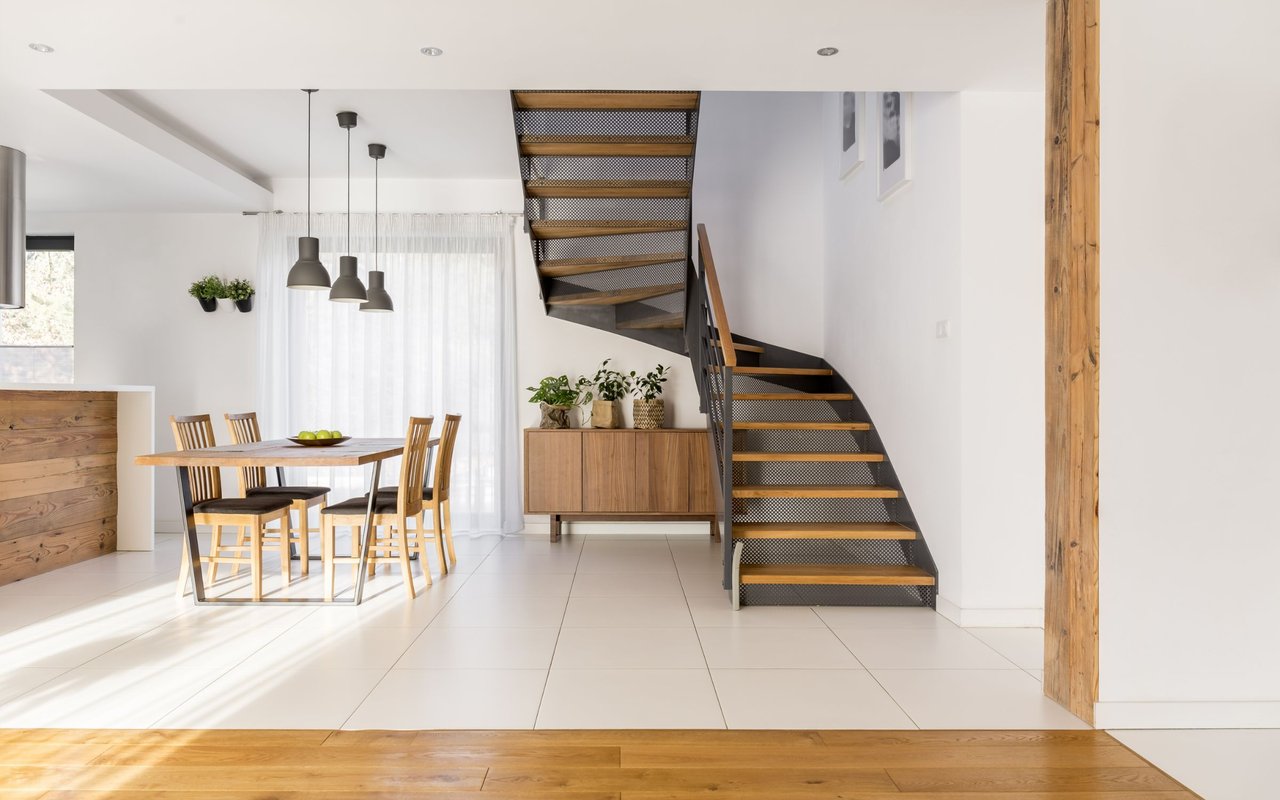
Efficient one to two bedroom layouts, durable hard-surface flooring, and minimal built-in woodwork reduce routine upkeep. An in-unit washer and dryer simplifies turnover before and after trips. The goal is to keep routine cleaning quick.
Water-wise landscaping
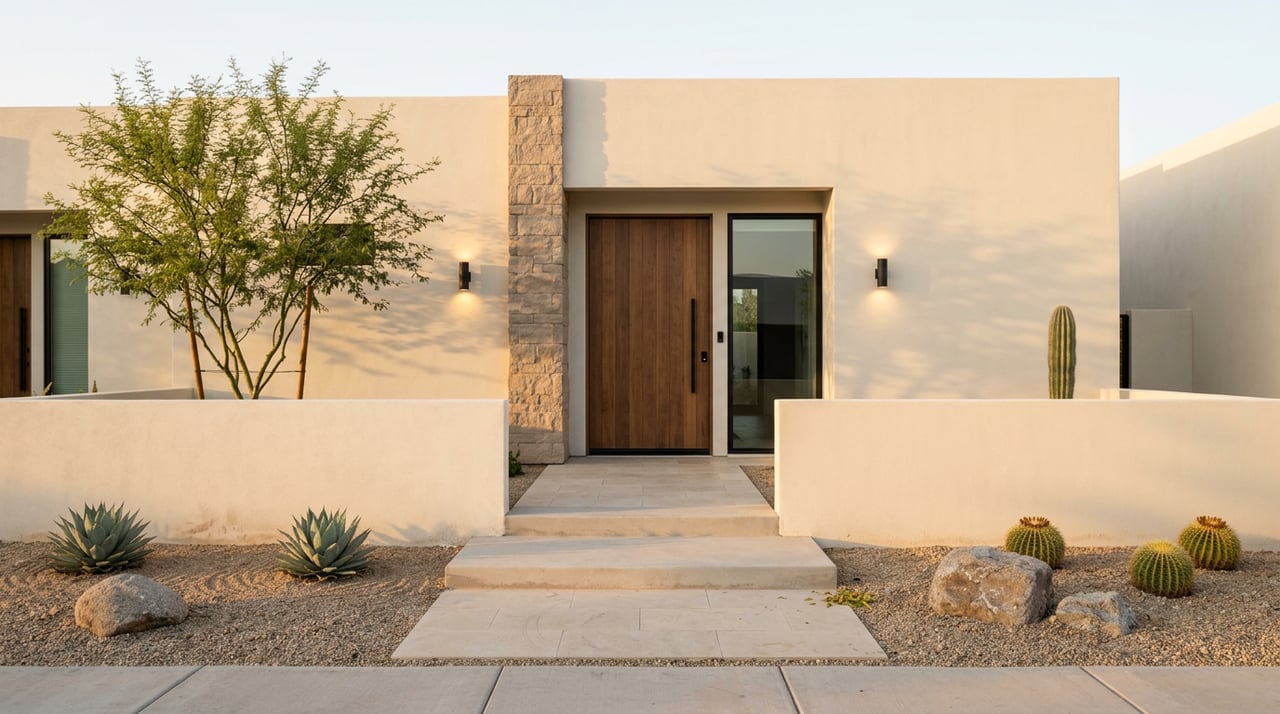
If you prefer a townhome or detached home, look for desert-appropriate xeriscape. Native plants, drip irrigation, and hardscaping reduce both watering and vendor coordination. Phoenix-area resources emphasize water-wise design for long-term savings and resilience, as noted in regional coverage of conservation trends and infrastructure constraints (Arizona business media context).
Building services that replace chores
The best lock-and-leave communities handle exterior building work and shared amenities so you do not have to. Typical HOA or on-site services include common-area landscaping, exterior building maintenance, pool and spa care, common-area lighting, gate and security infrastructure, and trash for shared spaces. Coverage varies, so verify what your HOA includes in its budget and governing documents, as outlined by association management guidance.
HOA essentials and legal basics in Arizona
A strong HOA can be the engine that makes lock-and-leave living easy. Take time to understand coverage, financial health, and rules before you buy.
What HOAs often cover
Common items include exterior building maintenance, common-area landscaping, pool and spa upkeep, exterior lighting, master insurance for shared elements, and management contracts. The exact division of responsibility is defined in the CC&Rs and rules. You can review typical coverage expectations in HOA FAQs.
Fees vary widely
Monthly dues range based on services, amenities, building age, and staffing. A small association with limited amenities may charge modest dues, while a gated community or staffed high-rise can cost several hundred dollars per month. Focus on what you get for the fee, not just the number.
Reserve studies and special assessments
The HOA’s reserve study and balances matter more than finishes or photos. Adequate reserves help the community plan for big-ticket items like roofs, paving, or pool resurfacing and reduce surprise assessments. Arizona HOA practitioners recommend regular updates and clear disclosure, which you can read more about in reserve study best practices.
Assessment increase limits under Arizona law
Arizona law limits annual assessment increases in planned communities. Unless an association’s documents set a lower cap, a regular assessment cannot exceed a 20 percent increase over the prior year without a member vote. Review the statute for full details in A.R.S. §33-1803.
Insurance: master policy vs. your HO-6
Understand where the master policy stops and your individual condo or townhome policy begins. If the HOA carries a “bare-walls” policy, you will likely need more robust interior coverage than if it carries a “walls-in” policy. For a helpful primer on what condo insurance can cover, see insurer guidance.
Short-term rental rules in Phoenix
If you plan to rent your place, check both city requirements and your HOA’s rules. The City of Phoenix requires short-term rental permits, neighbor notifications, a permit number on listings, and compliance with operational standards. Penalties and suspensions can apply for repeated violations. Start with the city’s short-term rental permit program, then confirm your HOA’s leasing rules.
How lock-and-leave fits the Central Phoenix lifestyle
Lock-and-leave living pairs well with an urban routine. Many buyers value quick access to dining, arts venues, and events, plus an easy trip to the airport.
- Transit and airport access. The Valley Metro light rail connects Downtown and Midtown to Tempe, Mesa, and the airport corridor. If you travel often, proximity to a station can be a real asset.
- Climate considerations. Phoenix’s hot, arid summers make reliable A/C, good insulation, and preventative maintenance essential. Remote HVAC controls and scheduled service reduce risk while you are away. For context, review local climate data from the National Weather Service.
Practical buyer checklist
Use this list to focus your due diligence and avoid surprises.
Documents to review
- CC&Rs, bylaws, and rules. Pay attention to sections on rentals, guests, exterior modifications, and vendor access. See typical document types in HOA FAQs.
- Current HOA budget and financials. Look for stable operating reserves and adequate savings for capital projects. Learn why reserves matter in Arizona HOA reserve guidance.
- Latest reserve study and any special assessments in the past 3 to 5 years. This shows upcoming costs and how the board plans to fund them.
- Board meeting minutes for the last 12 to 24 months. Recurring issues can signal future projects or fee changes.
- Master insurance declarations page. Confirm whether the policy is “walls-in” or “bare-walls” and set your HO-6 limits accordingly. See a primer on condo insurance coverage.
- Short-term rental and leasing rules. If you plan to rent, check HOA caps and city permits. Review the City of Phoenix STR permit overview.
Unit and building checks
- HVAC and systems. Note last service dates, filter sizes, and the age of the A/C unit, water heater, and major appliances.
- Water and power controls. Locate main shutoffs, understand irrigation timers, and confirm surge protection or monitoring for critical systems.
- Storage and parking. Confirm assigned parking, storage lockers, and bicycle or gear storage options.
- Security and access. Ask about cameras, access control, on-site staffing, emergency procedures, and package handling.
Operating tips for when you are away
- Program smart thermostats and lighting to balance savings and protection. See common remote-management best practices in lock-and-leave FAQs.
- Decide who holds a spare key or access code, and confirm HOA procedures for vendor or guest access.
- Set up recurring maintenance for A/C service and any private systems you own, such as a patio spa.
Common pitfalls to avoid
- Assuming “maintenance-free” living. HOAs typically cover shared elements, not everything. Always verify coverage in the CC&Rs and budget, as noted in association management FAQs.
- Overlooking reserves. Stylish amenities cannot compensate for weak funding. Review reserve studies and long-term capital plans, as emphasized in Arizona HOA guidance.
- Missing the short-term rental fine print. City rules and HOA CC&Rs must both allow your plan. Start with the City’s permit process and confirm your community’s documents.
- Underestimating the climate. Phoenix summers demand proactive HVAC care and remote monitoring. Review local climate context through NWS resources and plan your away settings.
Ready to explore Central Phoenix lock-and-leave options?
Whether you are eyeing a Midtown condo near light rail or a gated townhome with HOA landscaping, the right plan will make your life easier. A calm, mortgage-savvy approach helps you weigh HOA coverage, reserves, STR rules, and total cost of ownership so you can buy with confidence. If you want neighborhood-focused guidance and a smooth process from search to closing, connect with Chris Ringhofer to get started.
FAQs
What does “lock-and-leave” mean for Central Phoenix buyers?
- It refers to homes set up so you can travel without worrying about exterior upkeep or security, often with HOA-managed maintenance, secure access, and smart-home control.
Which Central Phoenix properties work best for low-maintenance living?
- High-rise and mid-rise condos are the most turnkey, boutique mid-rises offer walkable locations with shared amenities, and townhomes or HOA-managed single-family homes reduce exterior chores.
What do Phoenix HOAs typically cover in these communities?
- Common elements like exterior maintenance, shared landscaping, pools, exterior lighting, and master insurance. Coverage varies, so confirm details in the CC&Rs and budget.
Are HOA assessment increases limited under Arizona law?
- In planned communities, a regular assessment cannot exceed a 20 percent increase over the prior year without a member vote, unless the community’s documents set a lower cap.
Can I run a short-term rental from a Central Phoenix condo or townhome?
- Possibly, but you need a City of Phoenix short-term rental permit and your HOA must allow it. Always check both sets of rules before you buy.
What smart-home features help when I am away in Phoenix heat?
- Smart thermostats, remote locks and cameras, and timed lighting. Program schedules to manage cooling costs and maintain safe interior conditions.
How does light rail factor into lock-and-leave convenience?
- Buildings near stations offer easy access to Downtown, Midtown, Tempe, Mesa, and the airport corridor, which is valuable if you commute or fly often.