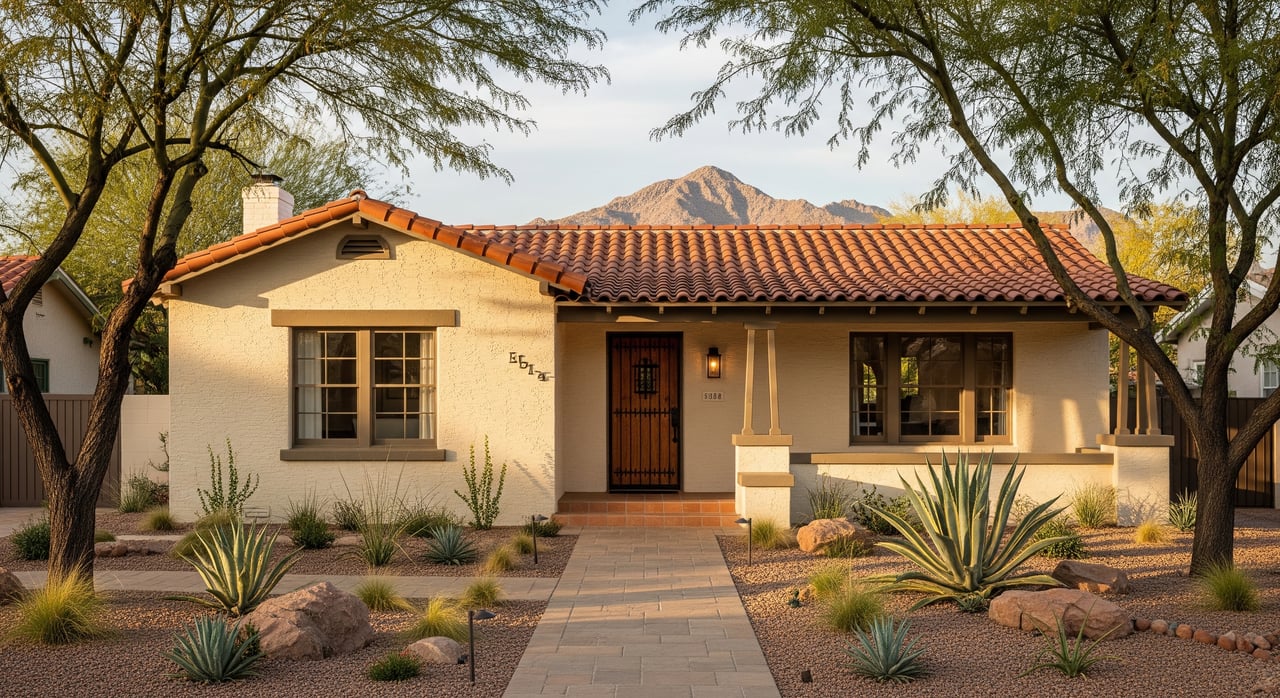
Eyeing a Willo bungalow or an Encanto-Palmcroft cottage and wondering how to finance it? Older homes in central Phoenix offer character and location, but their age can raise lender questions about condition, safety, and insurance. The good news is that you have clear paths to approval, including renovation-friendly loans that bundle repairs with your mortgage. In this guide, you’ll learn how lenders evaluate older homes, the Phoenix-specific issues that can affect financing, and which loan options fit common repair needs. Let’s dive in.
How lenders look at older Phoenix homes
Condition matters more than age
A home’s year built is not usually a deal-breaker. Lenders focus on present condition, habitability, insurability, and whether the appraised value supports the loan. If the house is safe, functional, and marketable, age alone rarely prevents approval. What matters is how the current state of the property aligns with loan program standards.
Appraisal vs. inspection roles
An appraiser determines market value and notes condition issues that affect value or marketability. For renovation loans, the appraiser may also provide an as-completed value that reflects your planned repairs and contractor bids. A home inspector evaluates the property’s systems and safety concerns, such as electrical hazards, roof leaks, or structural problems. Lenders often use inspection findings to require repairs that address health and safety.
Minimum Property Requirements
Many loan programs require properties to be safe, sound, and secure. This often means no active roof leaks, functioning plumbing and electrical, and no major structural failures. If a home does not meet these Minimum Property Requirements, you can either address the repairs before closing or use a renovation mortgage that finances the work through an escrow.
Insurability is essential
Lenders need proof the property can be insured. Older wiring like knob-and-tube or cloth-insulated conductors, deteriorated roofs, or outdated plumbing can cause insurers to decline coverage or raise premiums. If standard homeowner insurance is not available, a lender may refuse the mortgage until issues are resolved.
Phoenix-specific issues that can affect financing
HVAC and cooling
In Phoenix’s hot, arid climate, functional air conditioning is often treated as a habitability and safety item. Non-working or marginal HVAC systems can delay underwriting or trigger repair requirements. Replacement or major repair is commonly eligible under renovation loan programs.
Roof condition and water intrusion
Severely aged or leaking roofs are financing red flags. Lenders may require repair or replacement before closing or an escrow plan within a renovation loan. Appraisers also consider roof condition when assessing marketability and value.
Electrical safety and panels
Older homes may have knob-and-tube or cloth-insulated wiring, outdated panels, or overloaded circuits. These can pose safety hazards and insurance problems. Remediation is often required before closing or financed through a renovation mortgage.
Plumbing and water supply
Galvanized or otherwise deteriorated piping can trigger lender concerns, especially if leaks or poor water pressure are present. You should expect to document that plumbing is functional, or include repairs in a renovation scope.
Termites and WDO
In Arizona, a wood-destroying organism inspection is common when there is evidence of damage. If inspection reveals active infestation or structural wood damage, repairs and treatment may be required before closing or funded as part of an escrow.
Lead-based paint and asbestos
Homes built before 1978 require federal lead-based paint disclosure. Deteriorated lead-based paint must be addressed under certain loan programs. Asbestos-containing materials, if present and disturbed by renovation, may require abatement following current guidance.
Unpermitted additions and conversions
Garage conversions, ADUs, or room additions without permits complicate financing. Lenders may require retroactive permits, legalizing the work, or removal. Renovation loans can sometimes include the steps to bring elements into compliance, but you should address this with your lender early.
Historic district guidelines
Central Phoenix includes local historic districts like Willo, Encanto-Palmcroft, Roosevelt, Garfield, and Coronado. These areas often have design review standards for exterior work. Historic requirements can raise costs and extend timelines, so lenders will expect realistic contractor bids that reflect the district’s rules.
Renovation-friendly loan options
FHA 203(k)
FHA 203(k) folds purchase and renovation costs into one FHA-insured mortgage. The Limited 203(k) targets non-structural projects and smaller repairs, with the renovation portion commonly cited at around $35,000. The Standard 203(k) supports larger projects, including structural work, and requires a HUD consultant. Pros include lower down payment rules and flexible credit standards. The trade-off is added documentation, inspections, and a more involved draw process that some contractors avoid.
Fannie Mae HomeStyle Renovation
HomeStyle is a conventional renovation loan that can finance a wide range of improvements, including higher-end finishes. Funds are held in escrow and released in draws as work progresses. There is no HUD consultant requirement, but you must qualify under conventional guidelines and may need private mortgage insurance if the down payment is under 20 percent.
Freddie Mac CHOICERenovation
CHOICERenovation is similar to HomeStyle and allows borrowers to include renovation costs in a conventional mortgage. It supports many project types and uses an as-completed appraisal. Underwriting follows conventional standards and lender-specific overlays.
VA and USDA
VA and USDA offer limited renovation options. VA borrowers should consult a VA-focused lender for current rehab choices. USDA is geared toward rural areas and is less common in central Phoenix.
Alternatives to renovation mortgages
You can close with a standard mortgage if the home meets condition rules, then fund work through a HELOC or home improvement loan after closing. A construction-to-permanent loan or a one-time close construction loan can also fit certain scopes. For homes that need only limited fixes, buyers sometimes negotiate seller credits or escrow holdbacks for repairs.
Appraisals for historic or unique homes
Finding the right comparables
Appraisers look for recent comparable sales with similar age, size, and updates. In historic areas, truly similar comps can be limited, which can lead to conservative valuations. Custom renovations that exceed typical neighborhood finishes may not fully translate to appraised value if the market does not support those costs.
As-completed valuations
Renovation loans rely on as-completed appraisals that reflect your planned scope. Lenders will ask for contractor bids, a written scope-of-work, and permit requirements. The appraiser will consider these documents to estimate the post-renovation value, which drives your maximum loan amount.
How to set up a successful financing plan
Build the right team early
Choose a local lender with experience in central Phoenix and renovation products. Ask about FHA 203(k), HomeStyle, and CHOICERenovation, along with expected timelines. Confirm whether the lender allows owner-performed work or requires licensed contractors for every task.
Prepare for longer timelines
Renovation mortgages add steps, including contractor vetting, an as-completed appraisal, and escrow draws. Expect extra weeks compared to a standard mortgage. Set realistic closing and renovation start dates in your purchase contract to avoid delays.
Budget for contingencies
Older homes can reveal surprises once walls open. Include a contingency in your budget and be ready for phased draws where a lender or administrator inspects work before releasing funds. Some contractors request deposits, so understand the draw schedule and cash flow needs.
Buyer checklist: financing an older home in central Phoenix
- Hire a local lender who regularly closes renovation loans in central Phoenix neighborhoods. Ask about FHA 203(k), HomeStyle, and CHOICERenovation, plus typical closing timelines.
- Order a professional home inspection and a WDO/termite report early. In Phoenix, prioritize HVAC and roof assessments.
- Gather written contractor bids and a clear scope-of-work for items you want to finance. Use licensed contractors and confirm permit requirements.
- Check permit history with city and county records, and identify any non-permitted work. Address significant permit issues as early as possible.
- Get a preliminary insurance quote to confirm the home is insurable and note any surcharges or exclusions tied to old wiring or roof condition.
- Ask your lender about the appraisal approach, including whether an as-completed appraisal is required and what comparable sales will likely be used.
- If the home is in a historic district, contact the City of Phoenix Historic Preservation Office to understand design review and whether incentives or rules affect your scope and timing.
- Plan for contingency funds. Renovation draws are phased, and some disbursements occur after inspection.
Historic districts, permits, and compliance
Historic districts help protect architectural character, which can be a value driver over time. They also add steps to exterior changes like window replacement, roofing, or additions. Expect design review, specific material requirements, and defined timelines. Your bids and loan scope should reflect any historic guidelines, local permitting, and inspections so you do not face change orders that strain your escrow.
Beyond historic rules, confirm code compliance for past additions and converted spaces. Non-permitted work can complicate appraisals and lead to lender conditions requiring legalization or removal. When in doubt, address these items in your offer strategy, inspection period, and renovation plan.
Make your offer stronger on a fixer
If you plan to use a renovation mortgage, signal that in your offer and include realistic timelines. Provide evidence of contractor engagement, proof of funds for reserves, and clarity on permit steps. Ask the seller for any available permits, plans, and warranty records for systems like HVAC or roofing. If repairs are limited, consider negotiating credits or a small escrow holdback that aligns with your lender’s policies.
Ready to map a plan for an older or historic home in central Phoenix? For neighborhood-savvy guidance that blends local context with financing fluency, reach out to Chris Ringhofer. Let’s put a smart plan in place so you can buy with confidence.
FAQs
Will the age of a Phoenix home stop my mortgage?
- Age alone is rarely disqualifying; lenders focus on current condition, insurability, and whether the appraised value supports the loan.
What repairs do lenders usually require before closing?
- Safety and habitability items are common, such as significant roof leaks, non-functioning HVAC, hazardous electrical conditions, major plumbing leaks, active termite damage, and active water intrusion.
Can I roll repairs into my mortgage on an older home?
- Yes, renovation loans like FHA 203(k), Fannie Mae HomeStyle, and Freddie Mac CHOICERenovation allow you to finance eligible repairs, or you can use a standard loan plus a HELOC after closing.
How do appraisals work for historic or unique homes?
- Appraisers use the best available comparable sales; renovation loans often rely on an as-completed value that reflects your contractor bids and scope-of-work.
Can I finance a home with unpermitted additions?
- Unpermitted work complicates financing; lenders often require legalization with retroactive permits or removal, and some of this can be included in a renovation scope if addressed early.
Does the AC need to work to close in Phoenix?
- In Phoenix, functional cooling is typically treated as a habitability and safety item, so lenders may require repair, replacement, or an escrowed plan.
How long do renovation loans take compared to a standard mortgage?
- Expect additional weeks for contractor bids, document reviews, and the as-completed appraisal; exact timing depends on scope and lender.
Do I need a lender who specializes in renovation loans?
- Working with a lender experienced in FHA 203(k) and conventional renovation products in central Phoenix can reduce surprises and speed up the process.