Torn between the charm of a classic Arcadia ranch and the ease of a brand‑new build in Arcadia Lite? You are not alone. Many buyers love the neighborhood feel, shaded streets, and central location, but want clarity on what each option really means for budget, comfort, and long‑term value. In this guide, you will learn how the two paths compare on lots, energy use, maintenance, permits, financing, and timeline so you can move forward with confidence.
Let’s dive in.
Arcadia Lite basics to know
Arcadia Lite is an informal label for blocks near Arcadia that share a similar vibe and retail access, often around 40th Street and Indian School. It typically lists lower than Arcadia Proper, yet still commands a premium for lifestyle and location. Before you do anything, confirm the exact municipal jurisdiction for each address, since permitting and some rules differ between Phoenix and Scottsdale. You should also verify parcel size and whether an irrigation privilege is tied to the lot. These items affect outdoor living, costs, and future improvements. You can read a helpful overview of Arcadia vs. Arcadia Lite context and lot differences in this local primer on neighborhood traits and irrigation programs at azhomeswithangela.com.
For a quick feel of price trends, neighborhood pages like the Arcadia Lite housing market snapshot can provide current median checks. Always confirm comps with your agent when you get serious about a specific property.
Classic Arcadia ranch: what you get
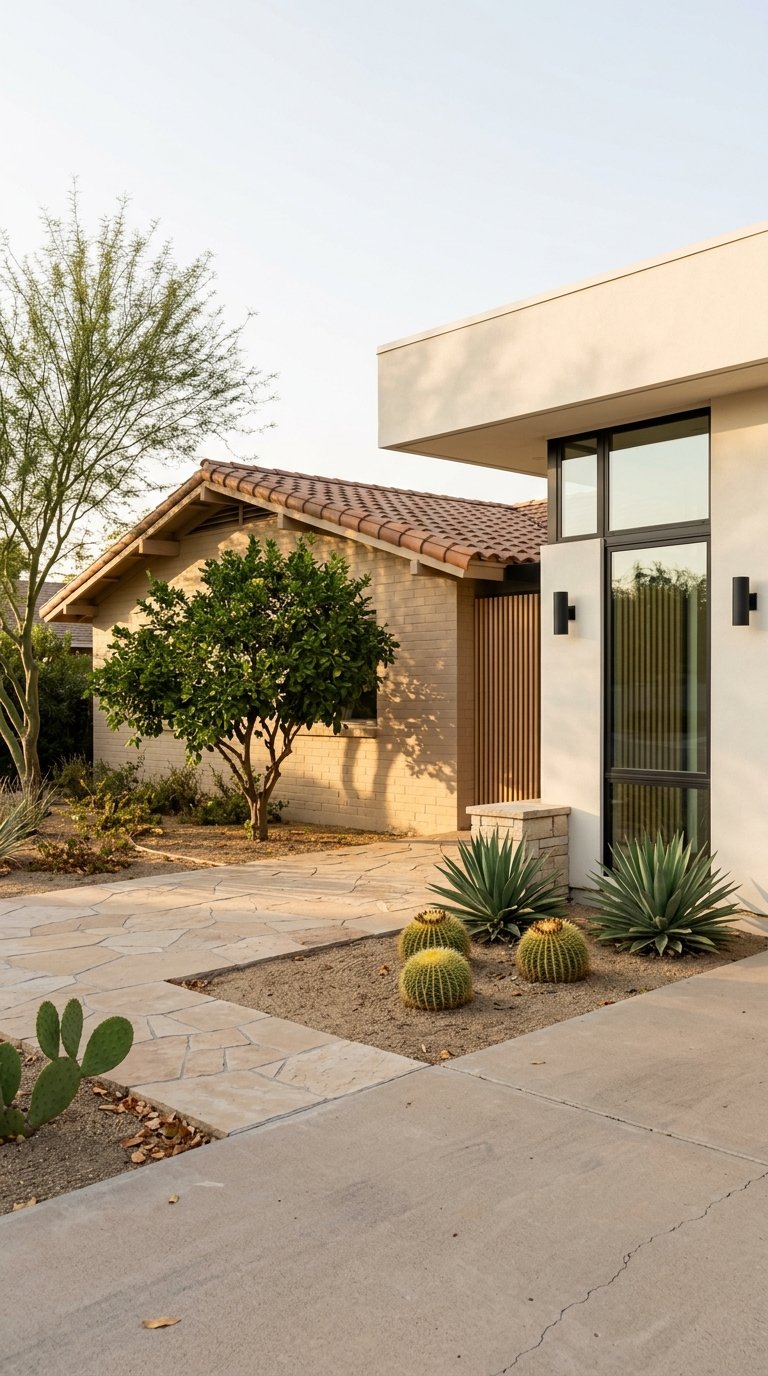
Classic Arcadia ranch homes are mostly single‑story residences built from the 1940s through the 1960s. They tend to have low profiles, long eaves, and a relaxed, horizontal form. Many sit on mature, irrigated lots with established shade trees and citrus plantings. Learn more about the neighborhood’s architectural roots in this Arcadia history overview.
What buyers like:
- Larger private yards and mature landscaping that feel “ready on day one.”
- Single‑story living and timeless curb appeal.
- Space for pools, patios, and outdoor kitchens, especially in Arcadia Proper.
Tradeoffs to plan for:
- Older mechanical systems and near‑term maintenance needs.
- Potential roof, pool, irrigation, or tree care costs.
- If built before 1978, possible lead‑based paint considerations during renovations.
New construction in Arcadia Lite: what you get
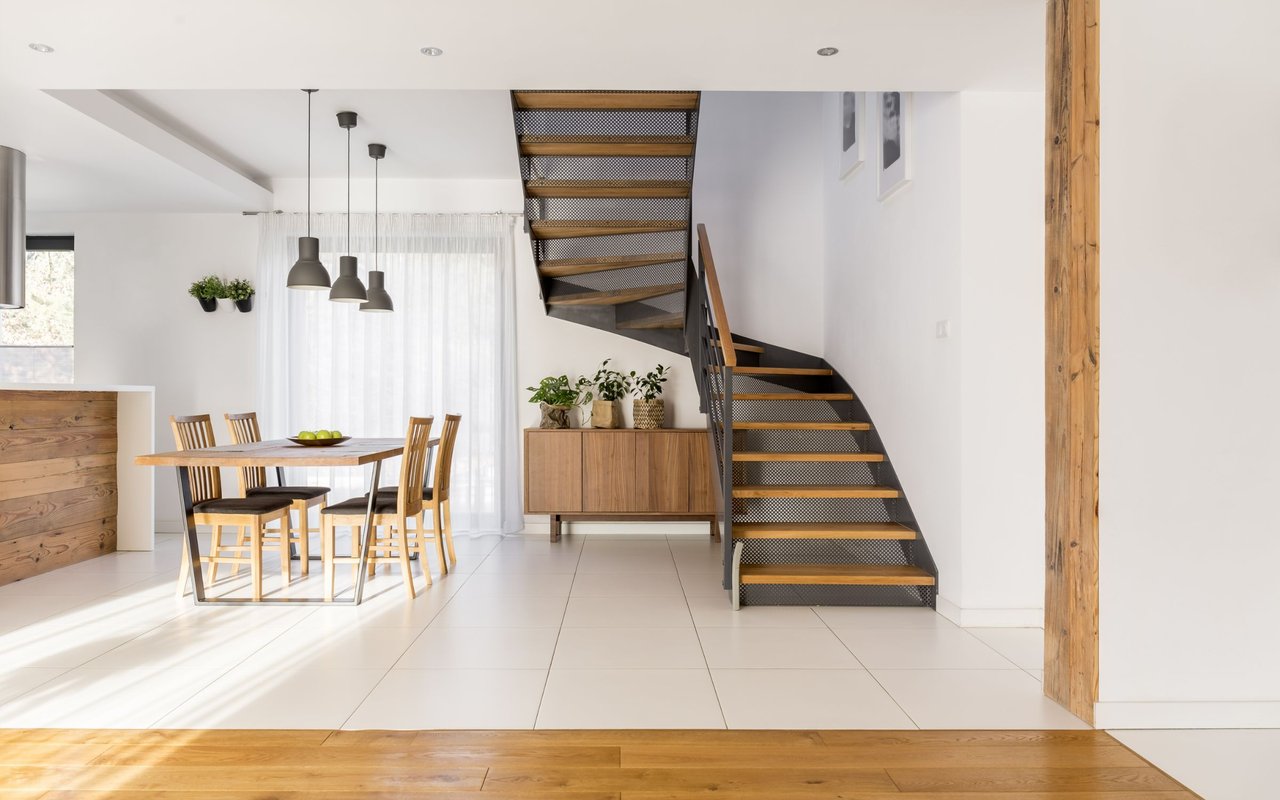
New builds in Arcadia Lite and Arcadia infill range from high‑end single‑story ranch‑style rebuilds to two‑story modern homes. Builders often increase usable square footage and redesign sites to maximize indoor‑outdoor flow and value while responding to neighborhood character. On smaller Arcadia Lite parcels, you will often see two‑story plans to add living area without expanding lot coverage. Larger Arcadia lots can support expansive single‑story custom builds that preserve tree canopy. For a practical neighborhood lens on how new builds fit into Arcadia and Arcadia Lite blocks, review this local comparison guide.
What buyers like:
- Turnkey systems, modern layouts, and builder warranties.
- Higher energy performance and lower early‑years maintenance.
- Flexible floor plans with today’s features, often EV‑ready or solar‑ready.
Tradeoffs to consider:
- Less original charm or canopy if mature trees are removed.
- Two‑story massing on smaller lots can feel different from classic single‑story streets.
- If you plan to build from scratch, you will wait longer for move‑in.
Energy and systems in Phoenix heat
Phoenix heat puts a spotlight on energy performance. New construction must document energy‑code compliance at plan review, which typically leads to tighter building envelopes, higher‑efficiency HVAC, improved ducting, and better windows. Ask builders to share the energy‑code compliance paperwork and warranty details. You can see how the City of Phoenix handles energy documentation within its residential plan review process and explore broader sustainable home guidance in the city’s sustainable design resources.
Arizona’s state materials reference recent code adoptions and updates, and cities may use different editions. If you are evaluating a new build, verify which energy‑code edition applies to the permit date. For background, review the state’s code change memo.
Solar, batteries, and your utility
Solar economics in Phoenix vary by utility. APS and SRP have different export riders and plans. Before you sign a contract, confirm which utility serves the property, whether any solar system is owned or leased, and the interconnection date, since export credits can be locked for a multi‑year term on many utilities. APS outlines its export riders and service plans on its renewable energy riders page. Batteries can improve solar value under net‑billing frameworks where exported energy credits are lower than retail rates.
Maintenance and inspections: plan your costs
Older ranch homes may have near‑term repairs and routine upkeep. Common items include HVAC servicing or replacement, roof work, pool equipment, irrigation lines, mature‑tree care, and possible electrical or plumbing updates if original components remain. For homes built before 1978, federal Renovation, Repair and Painting rules apply to paid renovations involving lead‑based paint. Ask for full disclosures and hire certified pros when renovating. The EPA’s enforcement overview of RRP rules is a helpful reference for buyers of older homes. Review it here: EPA RRP guidance.
New construction typically carries a lower immediate maintenance burden, plus a builder warranty on systems and structure. Coverage and length vary by builder, and landscaping or routine items are often excluded. Request the full warranty document and ask the builder to explain start dates and coverage windows.
A simple budgeting rule of thumb for routine maintenance is often quoted at about 1 to 3 percent of home value per year, but real costs vary by age, size, and local service prices. Use this as a starting point and collect two local quotes for major systems. You can read a national overview of maintenance budgeting to frame your estimates here: home maintenance cost basics.
Inspection and document checklist
For a classic ranch purchase, request:
- General home inspection and pest or termite report
- Pool inspection and recent HVAC service records
- Permit history for major remodels
- Lead‑paint disclosures if built before 1978
For a new build or recent infill, request:
- Final permits and certificate of occupancy
- List of subcontractors and system or appliance warranties
- Energy‑code compliance certificate
- Punch‑list schedule and completion plan
- Clarification on who holds builder performance assurance
You can cross‑check permit and inspection steps within the City of Phoenix residential permit guide.
Permits and timeline in Phoenix
If you plan to build or do a major remodel, the City of Phoenix uses the SHAPE PHX portal for plan submittal and standard plan review steps. Plan review can add weeks to months depending on complexity and volume. Cosmetic remodels may take weeks to a few months, while major structural remodels often run several months. A teardown and custom build commonly spans 9 to 18 months from permit acceptance to move‑in. Always check current plan review turnaround reports and expect timing to vary with season and staffing. See the process overview in the city’s residential plan review pages.
Financing: existing home vs. new construction
Buying an existing ranch usually involves standard mortgages, with lenders reviewing appraisal comps and property condition. Homes with deferred maintenance can still qualify, though lenders or insurers may flag safety issues.
For new builds, you might consider construction‑to‑permanent loans, builder‑offered incentives, or mortgages on finished spec homes. Construction loans have special disclosure rules, often larger down payment needs, and may require contingency reserves. Ask lenders about single‑close vs. two‑close options and whether the final loan will be deliverable to standard secondary market investors. For a clear primer on how disclosures apply, read the Arizona REALTORS overview of TRID and construction loans.
Appraisal and resale lens
Appraisals for new construction rely on recent rebuild comps when available. On quieter blocks with fewer new sales, appraisers may lean on adjusted sales, lot value, and price per square foot analysis. Older ranches can show strong land value when the parcel is rare, like a large irrigated lot, which can support future rebuild value. Work with a local appraiser who understands Arcadia and Arcadia Lite dynamics. This local Arcadia vs. Arcadia Lite guide explains why lot size and irrigation often drive long‑term value.
Quick checklist: what to verify before you decide
- Location and rules
- Confirm municipal jurisdiction for the address and parcel ID. Phoenix vs. Scottsdale can affect permits and ADU rules.
- Verify lot size and whether any irrigation privilege is tied to the property.
- Classic ranch due diligence
- Age of roof and HVAC service records
- Plumbing and electrical types and updates
- Pool equipment age and termite reports
- Permit history for remodels and lead‑paint disclosure for pre‑1978 homes. See EPA RRP guidance.
- New build due diligence
- Builder’s warranty terms and lengths
- Final permit and certificate of occupancy
- Energy‑code compliance certificate and subcontractor list
- Completion milestones, punch‑list plan, and who holds retainage or assurance. Review the city’s residential permit steps.
- Solar and utilities
- Which utility serves the property, whether solar is owned or leased, interconnection date, and export rider. See APS renewable riders.
- Money and timing
- Whether the builder requires a construction deposit
- Approximate build schedule
- Whether a construction‑to‑perm loan is required and expected down payment or reserves. Review TRID guidance for construction loans.
Which option fits your goals
Choose a classic ranch if you value instant neighborhood character, mature landscaping, and single‑story living, and you are prepared for some near‑term maintenance. This path can be ideal if you want a large yard and are open to phased updates over time.
Choose new construction if you want turnkey systems, modern layouts, and lower early‑years maintenance. This path suits you if you prefer a predictable move‑in condition and value higher energy performance. If you are building custom, plan your timeline and financing early, and confirm permit steps before you start design.
The right answer often comes down to your timeline, tolerance for renovation work, and how much you value classic curb appeal versus brand‑new systems.
Ready to compare homes on your short list?
If you want a side‑by‑side view of real maintenance, energy, and financing impacts for specific Arcadia Lite properties, reach out. I will help you vet permits and warranties, estimate near‑term system costs, and model financing options so you can choose with clarity. Connect with Chris Ringhofer to start your plan.
FAQs
What is the difference between Arcadia and Arcadia Lite?
- Arcadia is known for larger irrigated lots and classic mid‑century ranches, while Arcadia Lite is an informal label for nearby blocks with similar lifestyle but generally smaller lots and a denser retail node; always confirm municipal jurisdiction and irrigation privileges for any address.
How do new builds in Arcadia Lite handle energy efficiency?
- New homes must document energy‑code compliance at permit review, which typically leads to tighter envelopes, higher‑efficiency HVAC, and better windows; ask for the energy‑code certificate and builder warranty.
What inspections should I order for a classic Arcadia ranch?
- Get a general home inspection, pest or termite report, pool inspection, HVAC and electrical evaluations, permit history, and lead‑paint disclosures if the home was built before 1978.
How long does a teardown and custom build take in Phoenix?
- From permit acceptance to move‑in, plan on roughly 9 to 18 months depending on complexity and inspections, plus plan review time before permits are issued.
How do solar rules affect my purchase decision in Arcadia Lite?
- Solar value depends on your utility’s export plan and whether the system is owned or leased; confirm the serving utility, interconnection date, and export rider before you make an offer.
What financing should I expect for a new construction purchase?
- You may use a construction‑to‑permanent loan with special disclosures and larger down payment needs, or builder incentives and standard financing on completed spec homes; ask lenders to compare single‑close vs. two‑close options.